
Coming soon · Release date TBA
UpdatedFart Together Raft Steering: Turns, Timing, and Teamwork
Master Fart Together raft steering with tips for coordinated turns, controlled speed, narrow passages, and moving hazards. Get your crew moving together.
Jump to
How Do You Steer the Raft in Fart Together?
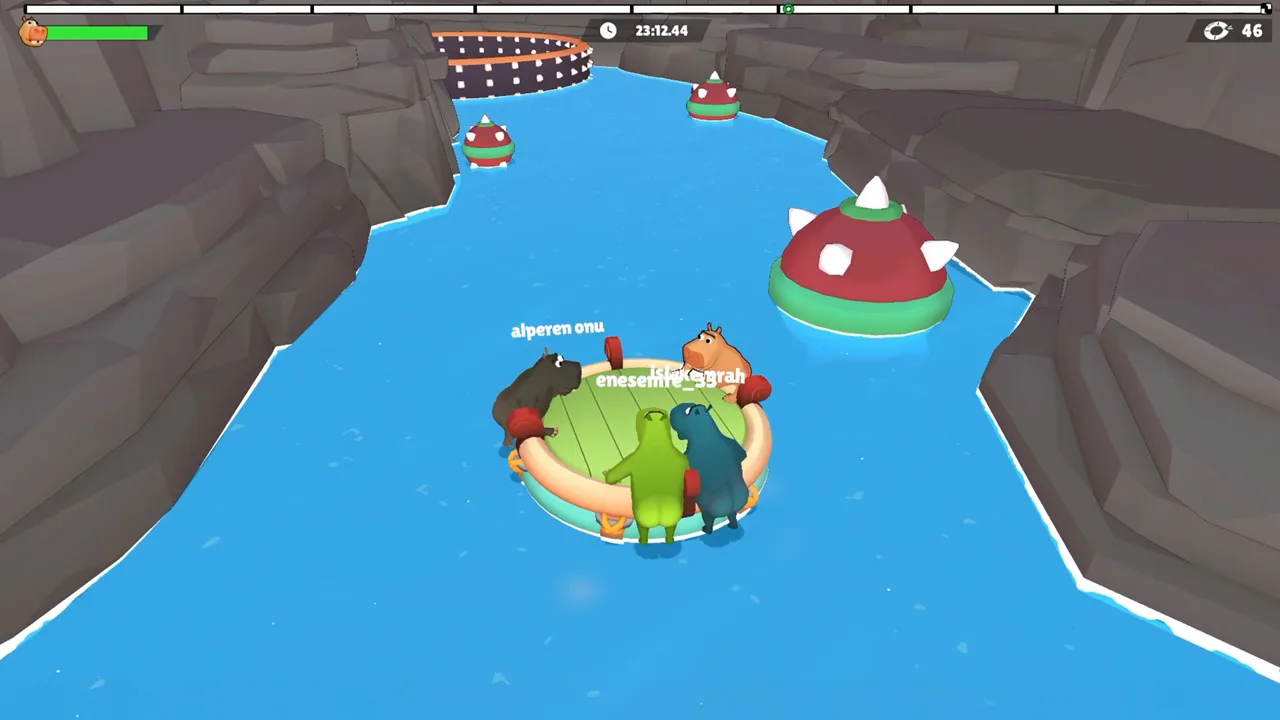
Fart Together raft steering can turn a simple corner into a full-team argument. Every player’s force, direction, and timing affect the shared raft, so an extra burst can spoil everyone’s approach. To improve your Fart Together raft steering, coordinate short inputs, watch the raft’s response, and agree on the next move before adding power.
In co-op, 2–4 players share the same raft through physics-based obstacle courses. Your movement affects everyone aboard. Sharp turns, narrow passages, and moving obstacles demand different combinations of direction, timing, and speed.
Start by learning how your individual input changes the raft’s movement. Ask your teammates to hold their input briefly while you make a small adjustment, then watch what happens. Repeat with the other players before trying to coordinate a difficult maneuver.
Use this practice sequence to make each attempt easier to understand:
| Practice focus | What affects the raft | What to try |
|---|---|---|
| Direction | Each player’s direction contributes to movement | Test a small input while teammates wait |
| Force | The raft responds to applied force | Keep the initial adjustment brief |
| Timing | Late inputs can send the team off course | Agree on a cue before acting |
| Combined movement | Everyone influences the shared raft | Add coordinated inputs after individual tests |
Avoid assigning a universal left-turn or right-turn recipe before your crew understands its current setup. Watch the actual response and use that to plan the next correction.
Treat early attempts as a chance to connect an action with its result. When everyone acts simultaneously, it becomes much harder to identify which adjustment helped.
Coordinate Your Crew Before Each Maneuver
Fart Together raft steering gets complicated when teammates react to different problems at the same time. Someone tries to fix the direction while another adds speed, and a third responds to the movement that just changed.
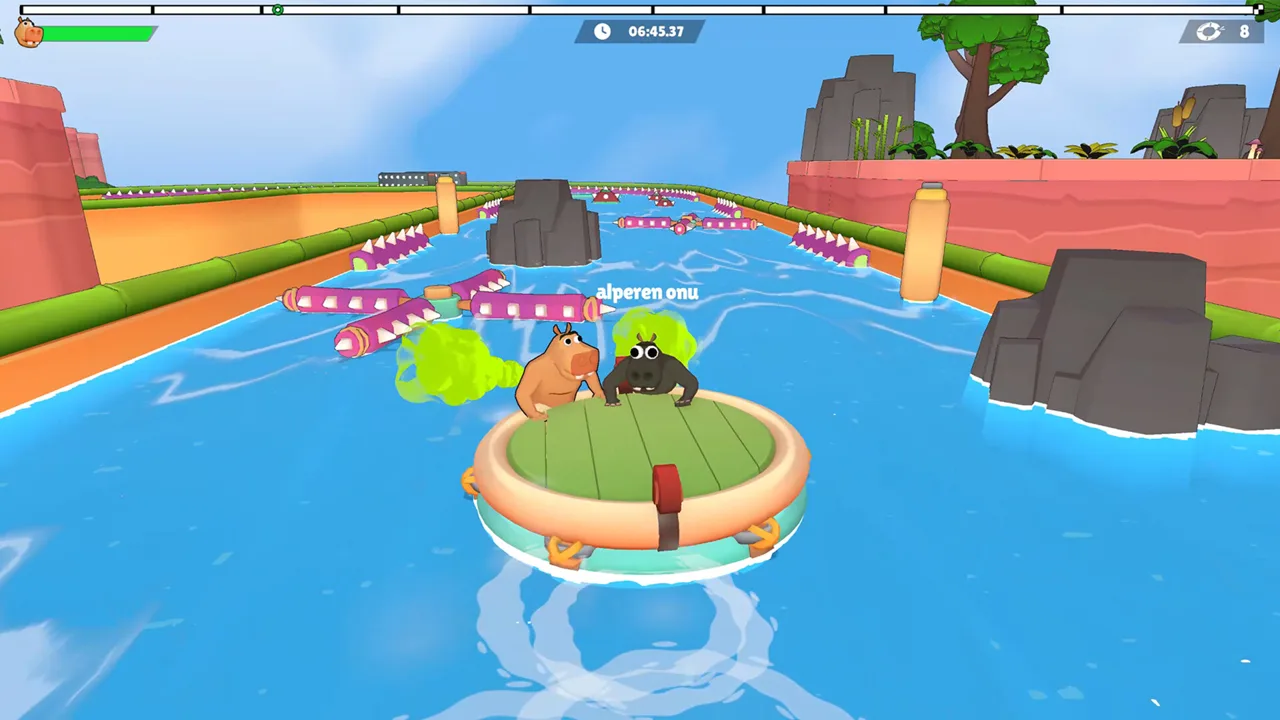 Image: Steam / GamesMrkt
Choose someone to call the immediate objective. Keep that role focused on the next obstacle: line up with the passage, prepare for the corner, or wait for an opening.
Everyone still contributes to movement. The caller simply gives the crew a shared moment to act.
Use Short, Specific Calls
Agree on a few phrases before the course gets chaotic. Give each phrase a clear meaning so nobody has to interpret a shouted “Go!” while the raft is already turning.
These are suggested team calls:
| Suggested call | Agree to use it for |
|---|---|
| “Wait” | Hold new inputs while the crew assesses movement |
| “Small adjustment” | Make a brief correction toward the agreed direction |
| “Together” | Start the planned action on the same cue |
| “Clear” | Signal that the current obstacle has been passed |
Keep directional language consistent, too. Agree on what “left” and “right” refer to before using those calls under pressure. If a teammate misunderstands, clarify the reference before the next attempt.
Give Corrections Room to Work
After a call, watch the raft before issuing another instruction. Rapidly changing the plan encourages teammates to act on different cues.
For example, picture an approach to a narrow passage. Ask the crew to establish the direction, make a small adjustment, and reassess the opening. Only then call for the next movement.
If the raft starts turning away, name the immediate problem: “We’re turning away from the opening.” Then agree on a correction. Save the debate about responsibility for a moment when everyone can actually pay attention.
Manage Speed Before It Becomes a Problem
Speed is part of Fart Together raft steering because the courses require both acceleration and slower, more precise movement. Adding power without considering the next obstacle can leave your crew scrambling to recover.
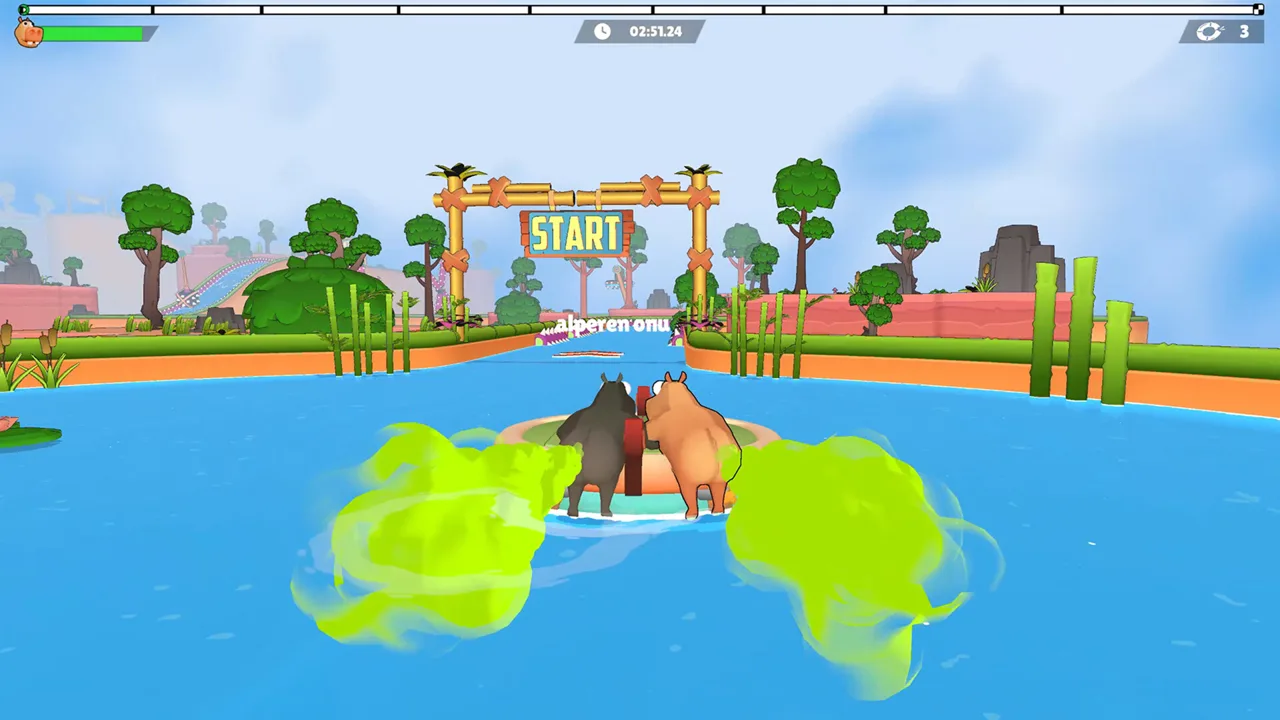 Image: Steam / GamesMrkt
Look ahead before calling for a stronger push. Ask whether the route stays open, bends sharply, or leads directly into a moving hazard. Match your input to that next demand.
During an unfamiliar section, keep adjustments modest enough to read their effects. Increase your commitment after the team understands the route and its timing.
| Upcoming situation | What the course demands | Suggested response |
|---|---|---|
| Open route | Coordinated forward progress | Agree on direction before adding power |
| Sharp corner | A controlled change of direction | Prepare the turn before increasing speed |
| Narrow passage | Precise alignment | Make small corrections on approach |
| Moving obstacle | Movement timed around a hazard | Watch its motion before committing |
Separate the Approach From the Push
Plan a maneuver in parts. Establish your direction, assess the obstacle, then coordinate the movement through it.
This gives the crew something specific to judge after a failed attempt. Did you approach poorly? Did someone act late? Did the team add force before everyone was ready?
Change the part that caused the problem rather than rebuilding the whole plan after every collision.
For Fart Together raft steering, also distinguish ending an input from reaching a safe position. Keep watching the raft after a burst. Judge your next action by its movement and the space ahead.
When someone calls for less speed, avoid answering with several independent corrections. Let the caller explain the immediate goal, then coordinate the response. A request to slow down loses its value if everyone interprets it differently.
Handle Sharp Turns, Narrow Passages, and Moving Hazards
The course combines obstacles that test different parts of your coordination. Read what is directly ahead and choose an approach that fits it.
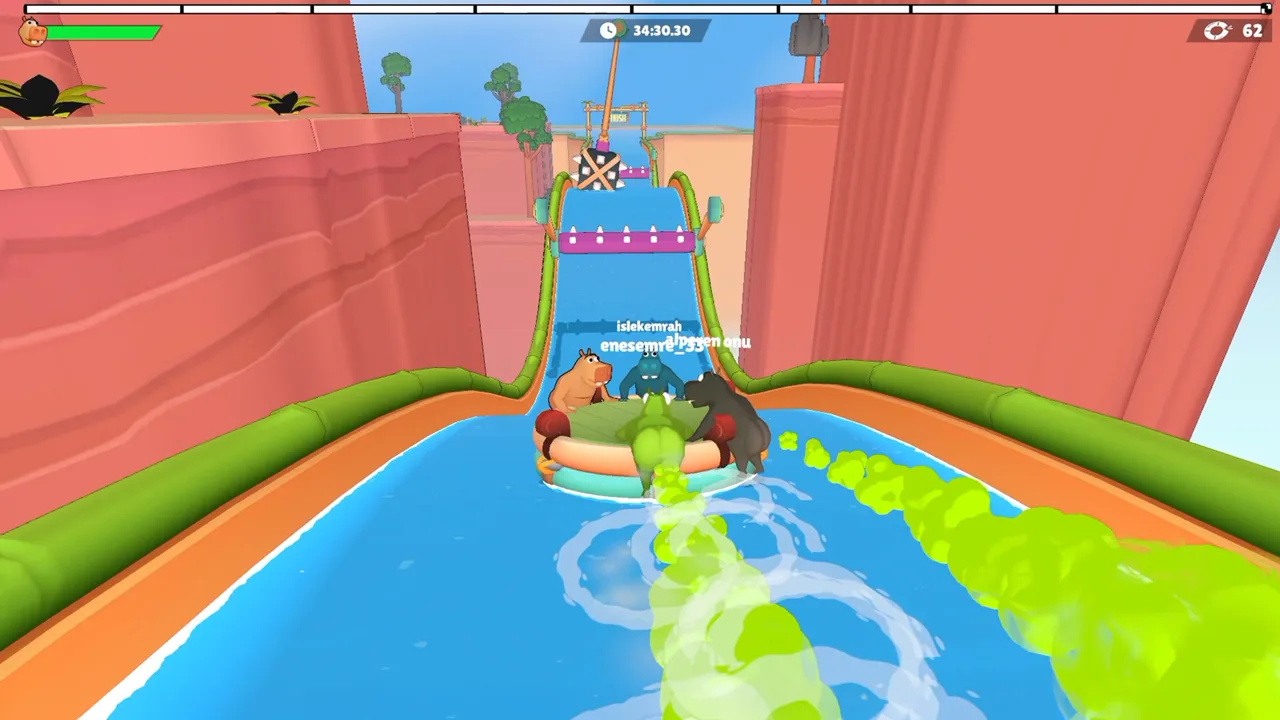 Image: Steam / GamesMrkt
Set Up Sharp Turns Early
Before a corner, identify where the raft needs to go after the bend. Ask the team to focus on that route, then make a controlled directional adjustment.
Keep watching as the raft turns. Once it points toward the intended route, reassess before repeating the same input.
Try this sequence:
- Identify the path beyond the corner.
- Agree on the directional adjustment.
- Make a brief coordinated input.
- Check the raft’s response before adding more force.
Avoid judging the turn only by whether you missed the nearby obstacle. Look at where the raft is heading next. A corner exit that points toward another hazard still needs attention.
Align Before Entering Narrow Passages
Fart Together raft steering through tight spaces starts with the approach. Use the available room to adjust your direction before committing to the opening.
Tell teammates when you are making an alignment correction. Ask them to wait unless their input is part of the plan. That keeps an otherwise useful adjustment from mixing with an unexpected push.
If you enter at an awkward angle, describe the problem precisely. “We entered too far to the side” gives the next attempt a clearer focus than “The controls are impossible.”
Watch Moving Obstacles Before Committing
Moving hazards add a timing decision to the steering problem. Observe their movement, choose an opening, and agree on when the crew should act.
Keep the preparation separate from the execution. Discuss the opening while waiting; use a short cue when it is time to move.
After a collision or bounce, reassess the raft’s direction before repeating the previous action. Hazards can throw it off balance, so the maneuver you planned before contact deserves another look.
Successful Fart Together raft steering depends on responding to the raft’s current movement. Keep updating the plan as the situation changes.
Fix Repeated Steering Mistakes Between Attempts
When a section keeps going wrong, identify a specific failure before trying again. “We lost control” describes the result. “We added power while still turning” gives your team something to change.
Keep the discussion brief and practical. Pick the adjustment that directly addresses the last mistake, then carry it into the next attempt.
| Repeated problem | What to examine | What to change next attempt |
|---|---|---|
| The raft turns away from the route | Inputs arriving during the turn | Agree on who acts and when |
| The approach feels too fast | Power added before the obstacle | Use a more restrained approach |
| Players react at different moments | Unclear or overlapping calls | Use a shared execution cue |
| A collision derails the next move | Actions continued after impact | Reassess direction before acting again |
| Nobody understands the failure | Several changes made together | Simplify the next attempt |
Change One Part of the Plan
Keep useful parts of an attempt. If the approach worked but the final cue came late, adjust the cue. If the timing worked but the direction was wrong, focus on alignment.
Avoid replacing a nearly successful plan with an all-out push just because the team is frustrated. Give the correction a fair attempt before changing something else.
After reaching a checkpoint, take a moment to settle on the next objective. Keep your conversation about the upcoming section specific: where to aim, what movement to watch, and when everyone should act.
Leave Space for Teammates to Wait
Waiting can be part of coordination. If another player is making the agreed correction, hold off on adding your own movement until the crew reassesses.
Use restraint deliberately. Tell teammates when you are waiting so they understand the plan and can interpret the raft’s response.
Before another attempt, run through a quick check:
- Does everyone understand the immediate objective?
- Is the directional call clear?
- Who is making the next adjustment?
- What cue starts the coordinated movement?
- What should the crew reassess after the obstacle?
Keep those answers short enough to remember during play. Give your crew a clear maneuver to execute, then judge the result together.
FAQ
What affects Fart Together raft steering?
The raft reacts to each player’s force, direction, and timing. Coordinate those inputs, use brief adjustments when lining up, and watch the response before making another correction.
How many players share the raft?
Fart Together’s co-op supports 2–4 players on the same raft. Competitive modes support up to 8 players.
How can the team avoid turning too far?
Prepare the turn together, keep the initial correction brief, and reassess once the raft faces the intended route. Ask teammates to avoid adding unexpected inputs during the maneuver.
Can I practice raft steering in the demo?
Yes. The free Windows demo features 2–4-player co-op obstacle courses. Download the Fart Together demo on Steam and practice coordinated direction changes, approaches, and timing with your crew.
Continue with
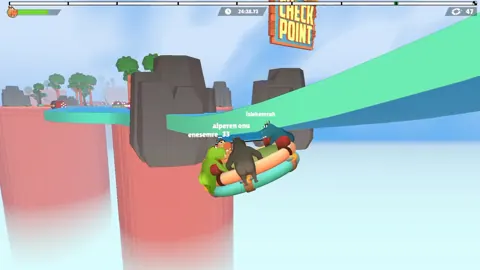 Fart Together Fart Timing: Coordinate Your Raft CrewImprove your Fart Together fart timing with practical tips for coordinated raft movement, sharp turns, narrow passages, and moving obstacles. Plan ahead.
Popular pages
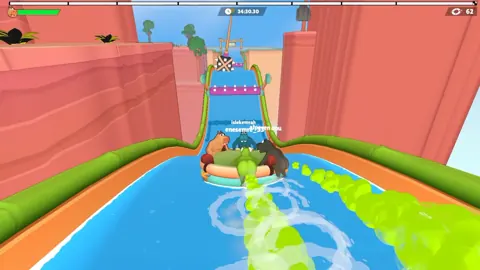
Fart Together Beginner Guide: Steer, Sync, and Survive
Use this Fart Together beginner guide to coordinate your crew, manage gas, tackle tricky raft obstacles, and avoid common mistakes in the free Steam demo.
Fart Together Release Date: Steam Launch and PC Guide
The Fart Together release date is coming soon on Steam. Check co-op player counts, Windows PC requirements, and raft gameplay before planning a game night.
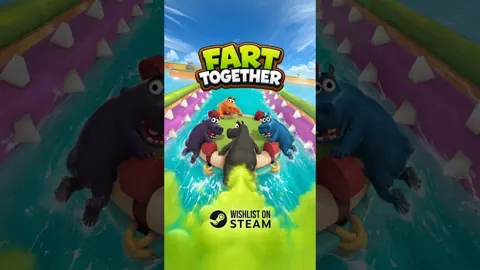
Fart Together Demo: Download, Co-Op, and Playing Tips
Try the Fart Together demo on Steam with 2–4 players. Learn to get started, coordinate your raft, manage stamina, and tackle tricky courses with friends.
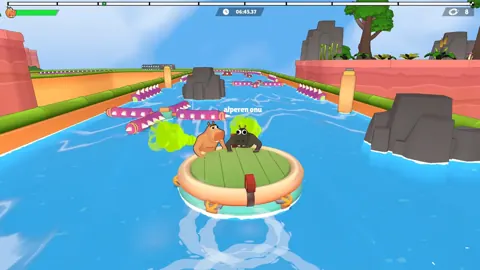
Fart Together Crossplay: Platforms and Co-Op Explained
Explore Fart Together crossplay details, Windows support, co-op player limits, local multiplayer, and Remote Play Together before planning your game night.
Join the community
Official channels for news, updates and player help: