
Coming soon · Release date TBA
UpdatedFart Together Beginner Guide: Steer, Sync, and Survive
Use this Fart Together beginner guide to coordinate your crew, manage gas, tackle tricky raft obstacles, and avoid common mistakes in the free Steam demo.
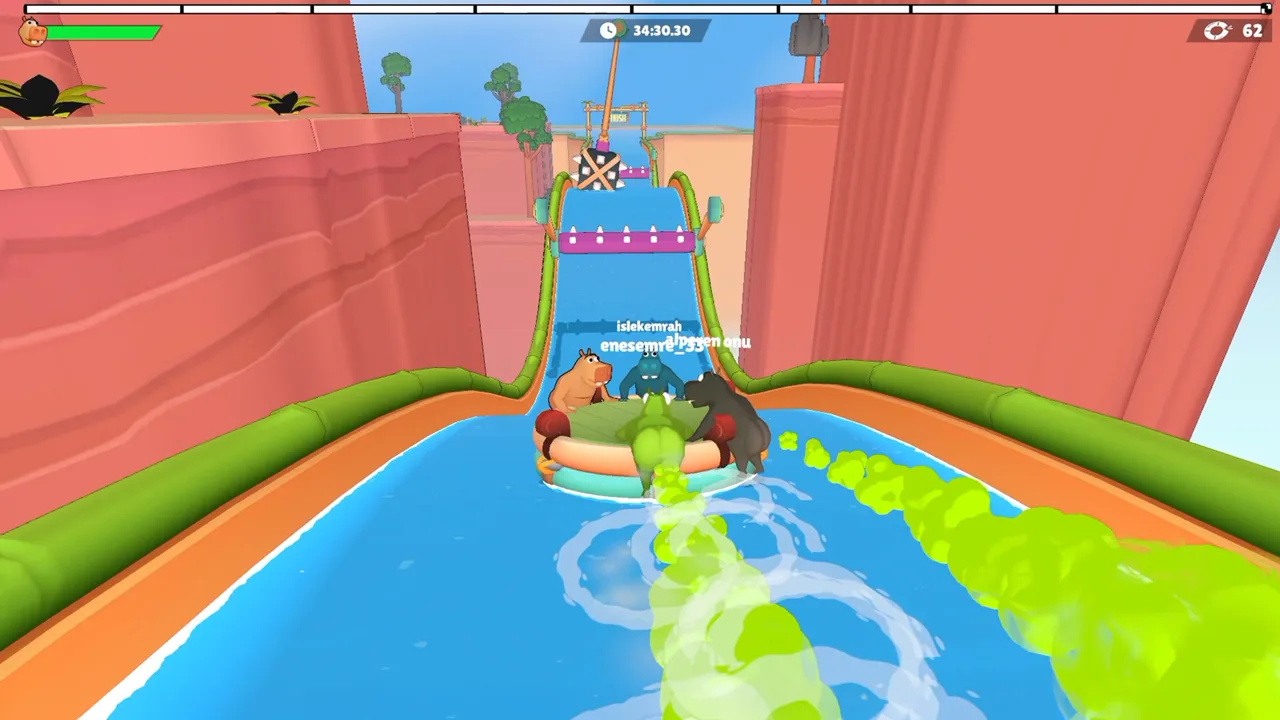
Start With a Crew That Can Coordinate
Your friend fires off a blast, the raft veers toward danger, and suddenly everyone has a different rescue plan. This Fart Together beginner guide focuses on keeping those competing inputs from wrecking your run. Use this Fart Together beginner guide to practice shared steering, manage your gas, and approach obstacles with a plan your whole crew understands.
Fart Together puts hippos on a shared raft powered by their own ridiculous propulsion system. Direction, force, and timing all affect the boat, so individual moves have consequences for everyone aboard.
The full game is coming soon, with a free demo available on Windows through Steam.
1. Start With Co-op and Leave Room to Practice
To practice the tips in this Fart Together beginner guide, gather two to four players for cooperative play. Competitive modes support up to eight players, but keep your opening session focused on learning how your shared raft responds.
| Feature | What to know |
|---|---|
| Cooperative crew | 2–4 players steering the same raft |
| Competitive modes | Support up to 8 players |
| PC platform | Windows |
| Demo | Free on Steam |
| Input support | Full controller support and a keyboard-only option |
| Multiplayer options | Online and shared/split-screen co-op |
Download the free Fart Together demo on Steam and give your group enough time to experiment. A demo run takes roughly 15–55 minutes depending on coordination. Use that range to plan your session, rather than treating the shorter end as a target.
For online co-op, check that everyone has a stable internet connection before starting. Keep voice communication clear enough to hear a short instruction over the laughter.
2. Agree on Direction Words Before Moving
Pick a shared meaning for “left,” “right,” and “forward.” Specify whether your calls refer to the screen or the raft’s orientation, then stick with that convention.
Choose one player to call the next maneuver. Everyone else should speak up about hazards or gas trouble without adding a second, conflicting steering plan.
Use brief calls such as:
- “Line up with the opening.”
- “Small correction.”
- “Wait for the obstacle.”
- “Together on go.”
Treat these as team instructions, not names for in-game commands. Check the controls on your own setup before trying to coordinate them.
Learn How Your Inputs Move the Raft
The raft reacts to each player’s force, direction, and timing. That makes learning your contribution just as important as learning the route.
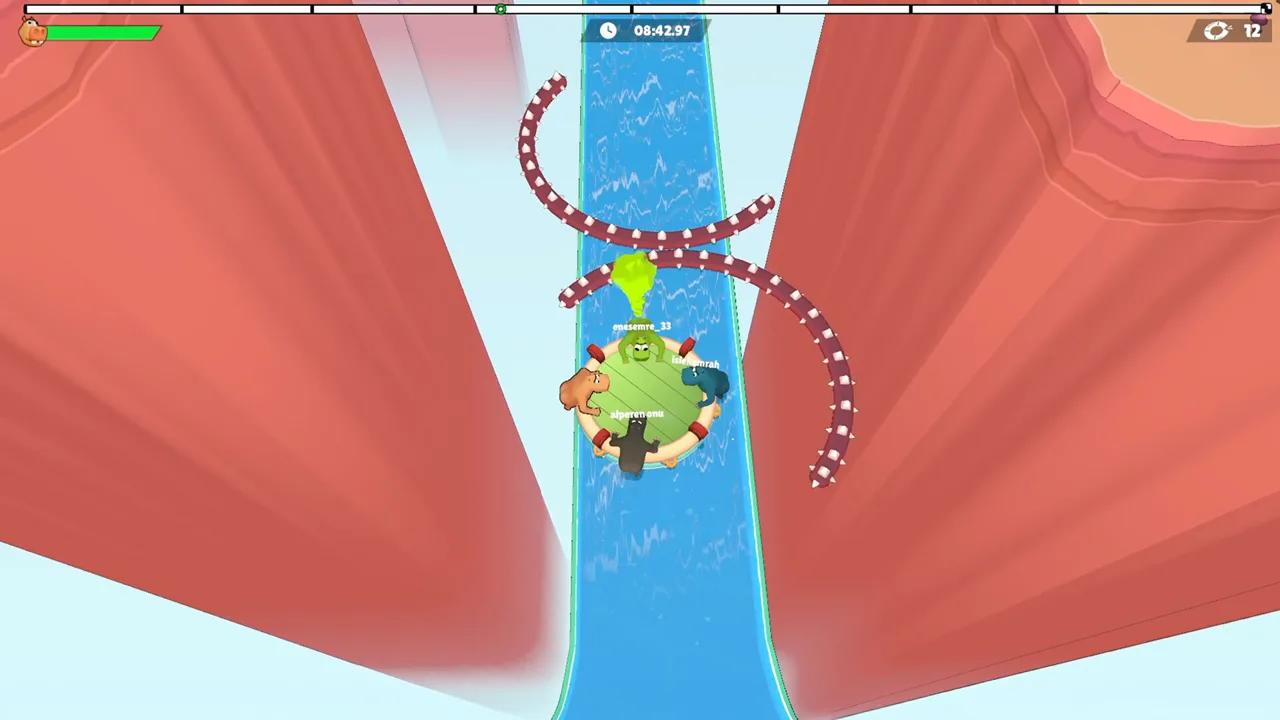 Image: Steam / GamesMrkt
The central habit in this Fart Together beginner guide is simple: make an intentional input, watch its effect, and let that result guide your next move.
3. Practice One Contribution at a Time
During a less demanding stretch, ask your teammates to ease off while you test your input. Watch which way the raft moves and how its alignment changes. Then let another player try.
Avoid assigning permanent jobs before everyone understands those effects. A player who knows how their input changes the raft can respond more deliberately when the course demands a correction.
| Practice focus | What to watch | What to try |
|---|---|---|
| Direction | Where the raft moves after an input | Test your contribution while teammates ease off |
| Force | How strongly the raft responds | Try smaller inputs before committing more power |
| Timing | Whether teammates act together or separately | Use a shared verbal cue |
| Combined movement | How multiple contributions affect the route | Add coordinated inputs after individual practice |
Keep the exercise focused. You are learning enough to make the next obstacle manageable, rather than trying to solve every possible maneuver before leaving the starting stretch.
4. Separate Alignment From Acceleration
Before pushing toward a narrow opening, agree on the line you want to take. Make the necessary correction, check the raft’s position, and then coordinate the next push.
Avoid combining a large directional correction with everyone adding power unless that is the maneuver your team intended.
For example, approach a narrow passage by calling its center as your target. Ask for a small adjustment, assess the result, and give the forward cue once the crew agrees on the alignment. Keep attention on the exit as well as the entrance.
Manage Gas and Control Your Pace
Gas and stamina management are part of the demo’s challenge. Constant propulsion can leave you short when a section demands another coordinated effort.
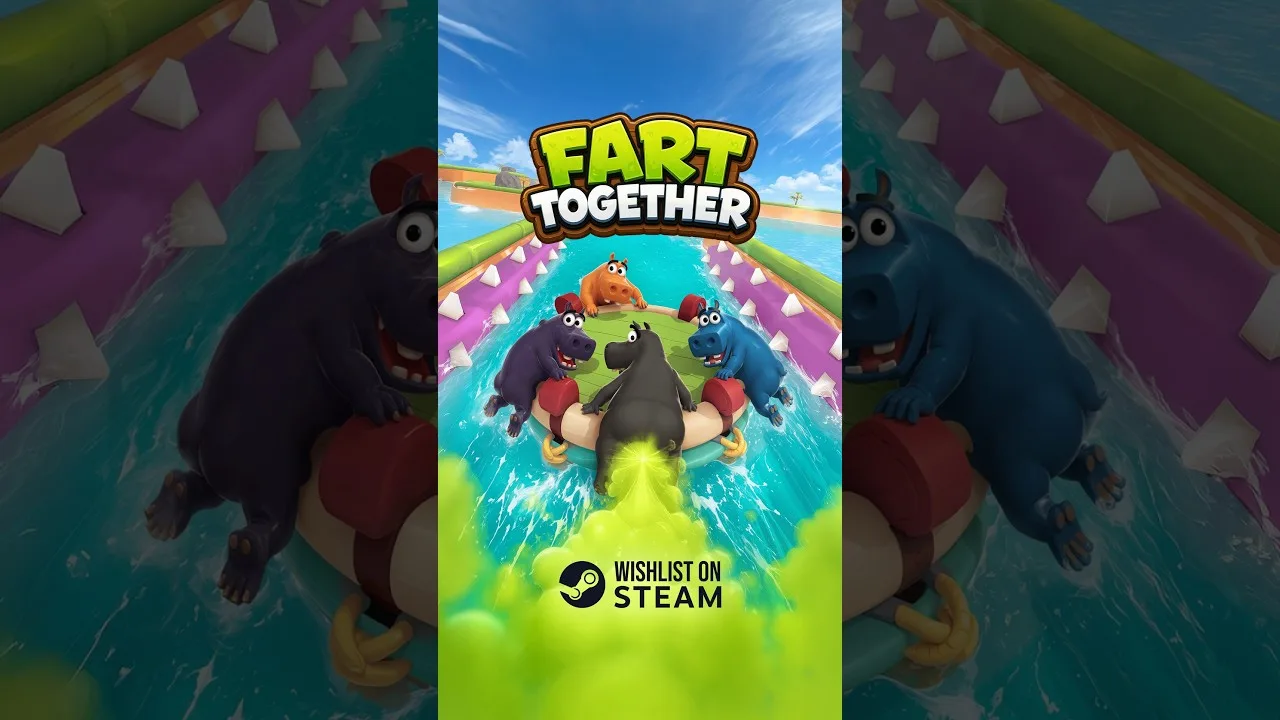
Keep this Fart Together beginner guide’s resource advice in mind: spend gas on a maneuver your crew understands.
5. Stop Spending Gas on Conflicting Plans
If one teammate is trying to move toward an opening while another is correcting away from it, resolve the disagreement before adding more force.
Call out when you are running low so the group can account for your contribution. Avoid waiting until the team commits to a demanding move to announce that you cannot provide the push they expected.
Keep these checks brief:
- Identify the next target.
- Agree on who needs to act.
- Say when you cannot contribute.
- Commit on the same cue.
Gas management belongs in the conversation alongside steering. A coordinated plan needs to account for what each player can actually do.
6. Match Your Pace to the Obstacle
Courses include sections that call for acceleration and others that demand slowing down. Avoid carrying the same aggressive approach into every turn, passage, and moving hazard.
Use smaller inputs while lining up. When a section needs a stronger coordinated push, make that decision together.
Pay attention to what happens after your input, too. If the raft is already moving toward your target, assess its path before adding another correction. Repeatedly reacting without watching the result makes it harder to understand which move caused the problem.
Practice slowing the raft during a less demanding stretch. Learn how your available inputs affect its movement before relying on a last-second recovery near an edge.
Approach Each Obstacle With a Shared Plan
Fart Together challenges your crew with narrow passages, sharp turns, moving obstacles, and hazards that disturb the raft’s balance. The demo also includes currents and checkpoints.
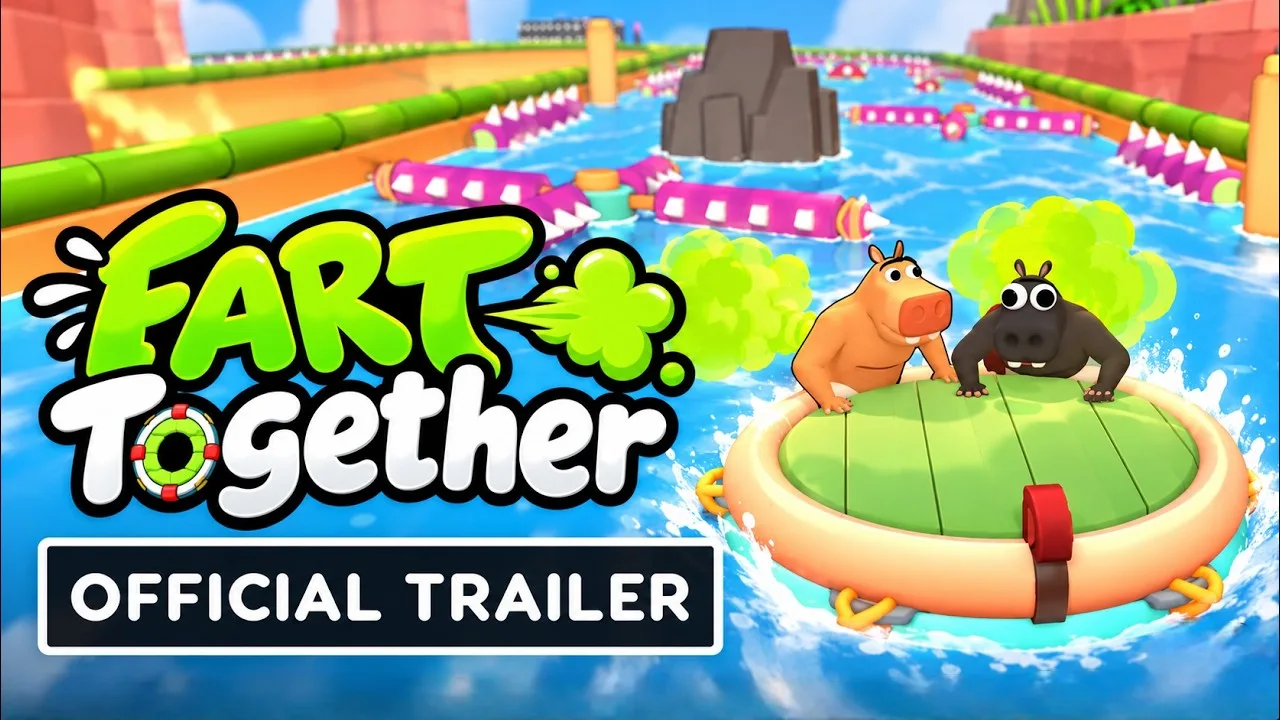
Use this Fart Together beginner guide as a reminder to identify the immediate problem before choosing the response. A bad approach angle, excessive speed, and poor timing require different adjustments.
7. Read the Entrance and the Exit
Look beyond the obstacle directly in front of you. Before committing, identify where the raft needs to be afterward.
A passage can lead into another correction. A moving obstacle can demand both a timed entry and a controlled exit. Give your team a destination more specific than “through there.”
| Course feature | What demands attention | Suggested response |
|---|---|---|
| Narrow passage | Alignment through the opening | Line up and use restrained corrections |
| Sharp turn | Direction and approach speed | Agree on the turn before adding force |
| Moving obstacle | Its movement relative to your approach | Watch its motion and call the crossing |
| Balance-disrupting hazard | The raft’s response after contact | Reassess before everyone corrects |
| Current | How it changes your intended path | Watch the drift and coordinate adjustments |
| Checkpoint | Reaching the next checkpoint | Focus the crew on the immediate section |
For moving obstacles, watch enough of their motion to choose an opening. Give the crossing cue while teammates still have time to respond.
8. Use Checkpoints to Refine Difficult Sections
Focus on reaching the next checkpoint instead of discussing the entire course while navigating a tight section.
After a failed attempt, name the immediate cause: too much speed, a late correction, conflicting inputs, or a mistimed crossing. Choose one change for the next attempt.
For example, if your raft reaches a turn too fast, reduce the approach power before changing everyone’s steering timing as well. Keeping the adjustment focused helps your group understand whether it addressed the problem.
Checkpoints give the demo structure. Use each section to practice the maneuver currently blocking your progress.
Avoid the Mistakes That Turn Corrections Into Crashes
A recovery attempt needs coordination just as much as the original approach. When the raft goes off line, resist the urge to have everyone improvise at once.
Return to the core advice in this Fart Together beginner guide: agree on the correction, make it deliberately, and watch what happens.
9. Replace Shouting With One Clear Instruction
“Go,” “stop,” and “other side” become difficult to follow when several players say them simultaneously.
Let the designated caller state the immediate goal. Other players should report useful information, such as a moving obstacle approaching or an inability to contribute gas.
| Mistake | What to change |
|---|---|
| Several players calling different directions | Follow one agreed steering call |
| Too much power during alignment | Ask for smaller inputs |
| Late reactions to moving hazards | Call the maneuver before reaching the obstacle |
| Unannounced gas trouble | Tell teammates before the next coordinated push |
| Repeating an unsuccessful approach | Change one identifiable part of the attempt |
10. Diagnose the Move Before Blaming the Player
Describe what happened to the raft. “We entered too fast” gives the crew something to adjust. “You ruined it” leaves everyone arguing about responsibility.
Ask whether the trouble began with direction, force, or timing. Then give the next attempt a specific instruction: approach more gently, make the correction earlier, or wait for the shared cue.
Keep the discussion short enough that everyone remembers the maneuver you are trying to improve.
11. Keep Corrections Proportional
When the raft starts drifting, assess how much adjustment the situation needs. Ask for a small correction when you are close to the intended line, then check the result before adding more.
Save simultaneous effort for a move that calls for it. Coordinated play includes knowing when to contribute and when to let another player complete an adjustment.
12. Make Progress the Goal of Your Opening Session
Measure your learning by the maneuvers your crew can repeat: entering a passage cleanly, making a controlled turn, or crossing a moving obstacle on cue.
Keep the jokes, but leave enough room to hear the next instruction. The game supplies plenty of chaos; give your crew a plan they can follow through it.
FAQ
What should I practice first in a Fart Together beginner guide?
Practice how each player’s input affects the shared raft. Start with individual contributions, then coordinate direction and timing using a clear verbal cue. Build toward controlled turns and narrow passages before pushing for speed.
How many people can play Fart Together?
Cooperative play supports two to four players on the same raft. Competitive modes support up to eight players. Online and shared/split-screen multiplayer options are included.
Is Fart Together free to play?
A free Windows demo is available on Steam. The full game is coming soon. The demo offers a way to practice cooperative raft control with friends.
How long does a demo run take?
A demo run takes roughly 15–55 minutes depending on your team’s coordination. Allow time to learn steering, manage stamina, and work through the course’s obstacles together.
Continue with
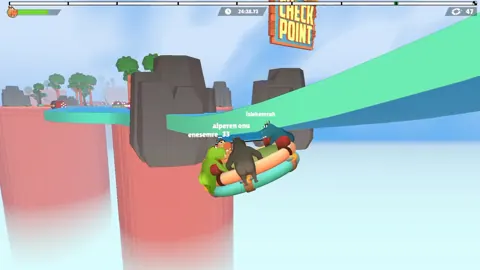 Fart Together Controls: Steering and Co-Op Team TipsLearn Fart Together controls for coordinated raft steering, gas power, and timing. Get practical co-op tips for narrow passages, sharp turns, and hazards.
Popular pages
Fart Together Release Date: Steam Launch and PC Guide
The Fart Together release date is coming soon on Steam. Check co-op player counts, Windows PC requirements, and raft gameplay before planning a game night.
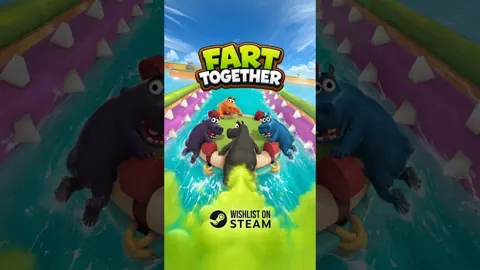
Fart Together Demo: Download, Co-Op, and Playing Tips
Try the Fart Together demo on Steam with 2–4 players. Learn to get started, coordinate your raft, manage stamina, and tackle tricky courses with friends.
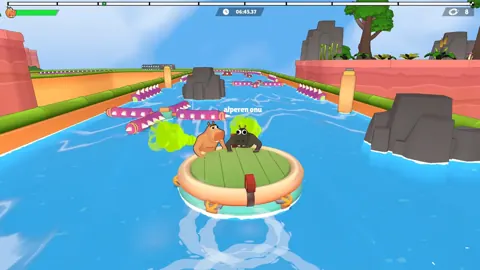
Fart Together Crossplay: Platforms and Co-Op Explained
Explore Fart Together crossplay details, Windows support, co-op player limits, local multiplayer, and Remote Play Together before planning your game night.
Fart Together Fart Timing: Coordinate Your Raft Crew
Improve your Fart Together fart timing with practical tips for coordinated raft movement, sharp turns, narrow passages, and moving obstacles. Plan ahead.
Join the community
Official channels for news, updates and player help: